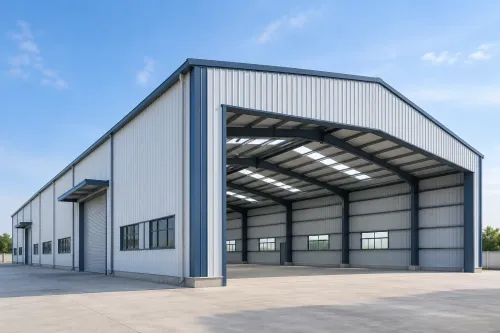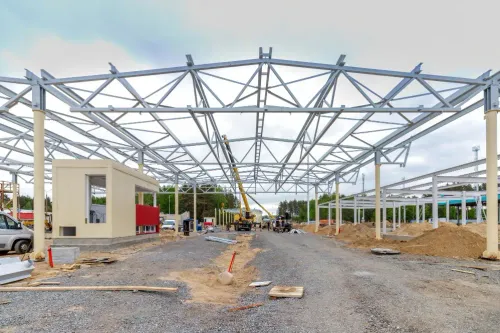
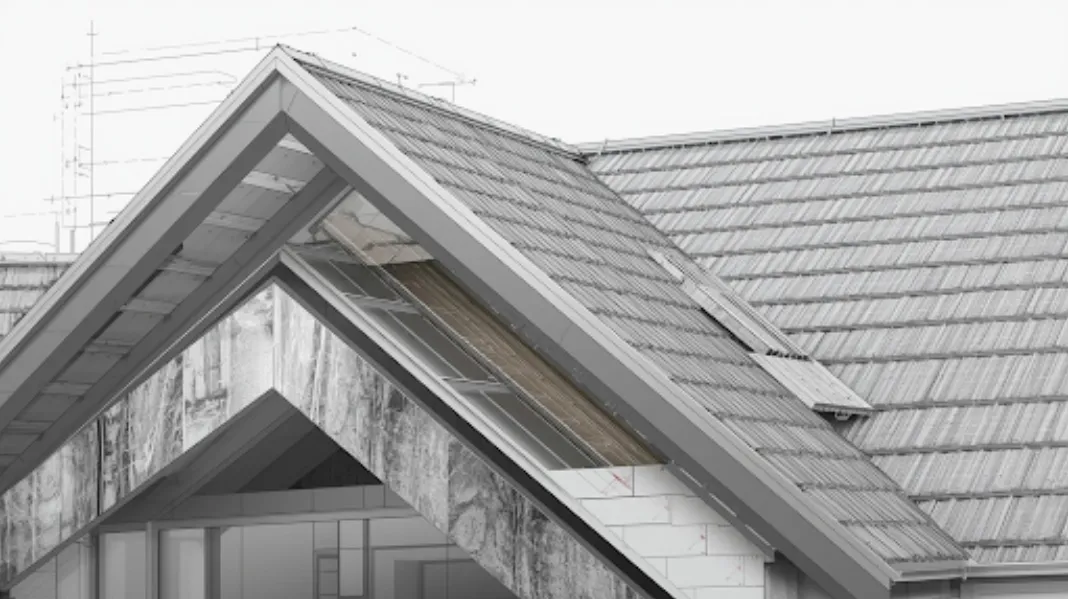
The performance of any industrial building depends not only on its structural framework but also on the quality of its roofing and cladding systems. These components protect the building from environmental conditions, improve energy efficiency, and contribute to the overall durability of the facility. Businesses investing in Roofing and Cladding Systems in Tamil Nadu increasingly seek solutions that combine strength, weather resistance, and long-term value.
Tamil Nadu experiences diverse climatic conditions, including intense sunlight, seasonal rainfall, humidity, and varying temperatures across different regions. Industrial buildings must therefore be equipped with roofing and cladding systems capable of delivering consistent performance throughout the year.
Understanding Roofing and Cladding Systems
Roofing systems provide the primary protection against external weather conditions while maintaining structural integrity and indoor comfort.
Cladding systems protect external walls from moisture, heat, dust, and corrosion while enhancing the building's appearance.
Together, these systems create an efficient building envelope that improves operational performance and reduces maintenance requirements.
Why Quality Roofing Matters
Industrial roofing does far more than simply cover a building.
A properly designed roofing system helps:
- Protect machinery and inventory
- Improve thermal performance
- Reduce water leakage
- Increase structural durability
- Enhance workplace comfort
- Support natural lighting solutions
- Lower long-term maintenance costs
Selecting appropriate roofing materials is therefore an important investment decision.
Importance of Cladding Systems
Wall cladding provides an additional layer of protection for industrial buildings.
Modern cladding systems help:
- Resist corrosion
- Improve insulation
- Protect against moisture
- Reduce external heat transfer
- Enhance building aesthetics
- Increase service life
Different industries may require customised cladding materials depending on environmental exposure and operational conditions.
Factors to Consider Before Selection
Businesses should evaluate several factors before finalising roofing and cladding solutions.
Climate Conditions
Materials should be selected based on rainfall, humidity, temperature variations, and wind exposure within the project location.
Building Application
Warehouses, manufacturing plants, food processing facilities, and commercial buildings often require different roofing specifications.
Material Durability
High-quality coated steel sheets, insulated panels, and corrosion-resistant materials improve long-term performance.
Maintenance Requirements
Choosing durable materials helps reduce inspection frequency and repair costs over the building's lifecycle.
Energy Efficiency
Well-designed roofing systems improve thermal insulation, reducing cooling requirements in industrial environments.
Industries That Benefit from Advanced Roofing Solutions
Roofing and cladding systems are widely used across:
- Manufacturing industries
- Warehouses
- Textile units
- Food processing plants
- Automobile facilities
- Commercial buildings
- Agricultural storage
- Engineering workshops
Each application benefits from customised solutions that meet operational and environmental requirements.
Working with an Experienced Solution Provider
Successful roofing and cladding projects require technical expertise, quality materials, and careful installation. Businesses should work with providers capable of recommending suitable products based on building design, climate, and long-term operational needs.
United Corporation Coimbatore delivers roofing and cladding solutions designed for industrial and commercial infrastructure across Tamil Nadu. By combining engineering expertise, quality materials, and professional project execution, the company helps clients develop buildings that remain durable, efficient, and visually appealing for years.
Choosing reliable Roofing and Cladding Systems in Tamil Nadu is an investment in the overall performance of your facility. High-quality solutions improve structural protection, operational efficiency, and long-term maintenance while supporting sustainable industrial growth.
Keywords